In the Acholi sub-region and Gulu City, school dropout rates remain a critical challenge as of early 2026, particularly for vulnerable children. Primary school completion rates in the region often fall between 35% and 38%, with some areas reporting dropout rates as high as 91% to 97% before completing the primary cycle.
Dropout Prevalence & Vulnerable Groups
Vulnerable children, including orphans, those from child-headed families, and children with disabilities, are most at risk.
Acholi Sub-Region: In districts like Nwoya, dropout rates for girls in Primary 5 and 6 reach approximately 23%, compared to 11% for boys. In Kitgum, as of late 2025, roughly 32% of primary-age children (over 14,000) remain out of school.
Gulu City: Urban dropout rates are slightly lower than rural areas (77% vs 94% at primary level) but remain significantly high due to the high cost of living and child labor in trading centers.
Peak Periods: Retention is most fragile during the transition from Primary 4 to Primary 7, where attendance declines sharply as children reach puberty.
Key Drivers of Dropout (2026 Context)
Economic Barriers: Poverty prevents families from paying for scholastic materials, uniforms, and meals. Parents often prioritize short-term gains from child labor (e.g., garden work) over long-term education.
Gender-Specific Issues: Early pregnancies, child marriage, and a lack of menstrual hygiene facilities are the leading causes for girls leaving school.
Infrastructure & Safety: Long walking distances—up to 25km in some parts of the sub-region—make school inaccessible and unsafe for many children.
Strategic Support Opportunities for Humanity Network
Donors and partners can support the Humanity Network in Uganda (a CBO based in Gulu City) to address these gaps through the following interventions:
Direct Financial Aid: Providing scholarships for gifted but impoverished children and supplying basic materials like sanitary pads, exercise books, and uniforms.
Community Sensitization: Engaging parents and local leaders to shift cultural norms that favor child labor or early marriage over education.
In-School Improvements: Supporting the recruitment of community teachers to keep schools from closing and improving school sanitation and water facilities (WASH).
Psychosocial Support: Providing trauma healing and mentorship for children affected by the region's historical conflicts or current domestic challenges.
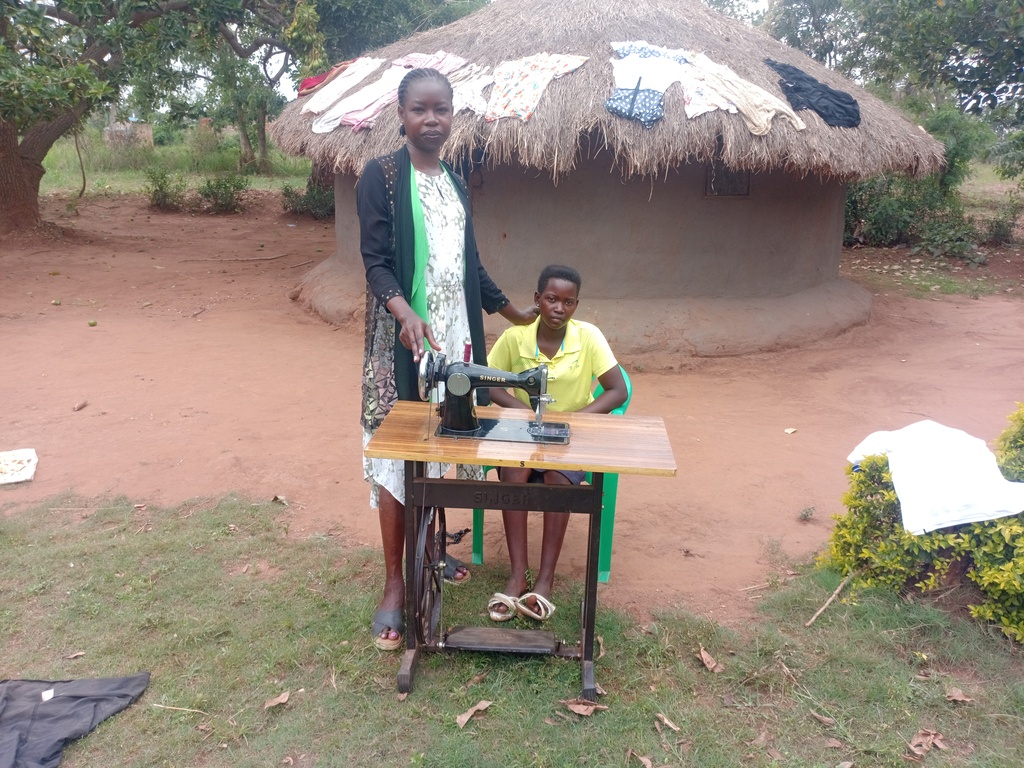
In 2026, the demand for vocational training and start-up support for teenage mothers in Gulu City remains critical to addressing poverty and high mortality rates.
Call for Partnership by Humanity Network in Uganda: Empowering Teenage Mothers in Gulu
We are seeking partners and donors to provide 2026 vocational training and start-up equipment for teenage mothers in Gulu City. This initiative aims to:
Combat Poverty: Transition young mothers from "job seekers to job creators."
Health and Survival: Reduce hunger, infant mortality, and morbidity through nutrition awareness and financial independence.
Social Protection: Offer an alternative to prostitution and hazardous labour.
Recommended Vocational Skills and Equipment Needs
Based on successful models in Uganda, the following skills are high-demand for 2026:
Tailoring: Requires sewing machines and start-up fabrics.
Hairdressing: Requires salon equipment and two months of initial rent support.
Agro-Business: Focuses on food processing and sustainable farming.
Digital Literacy: Providing basic computer skills for modern business management.